The demand for well-designed wildlife ponds and wetlands continues to grow across the UK. From biodiversity net gain requirements and habitat restoration schemes to flood mitigation and environmental enhancement projects, water-based ecosystems now play a critical role in land management and planning.
Unlike ornamental ponds, wildlife ponds and wetlands must function reliably for decades. They need to retain water consistently, support diverse planting zones, protect aquatic life, and withstand changing ground conditions with minimal intervention. Getting the design and construction right from the outset is essential.
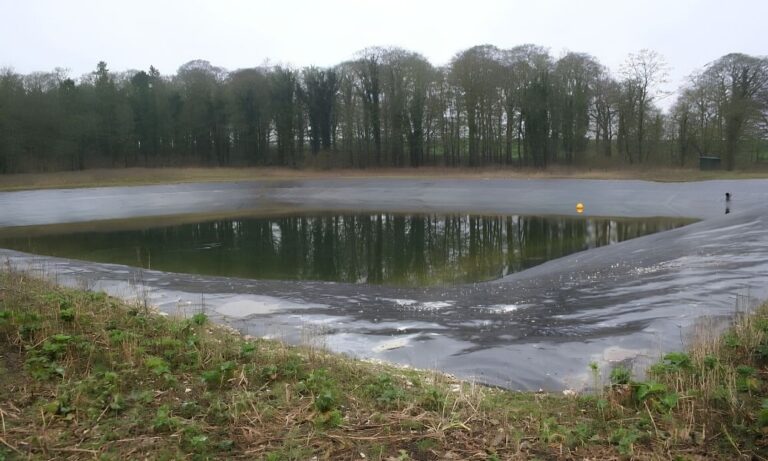
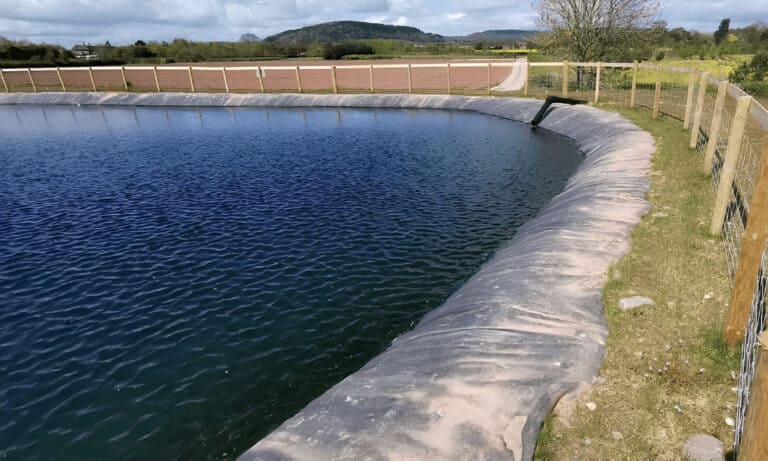
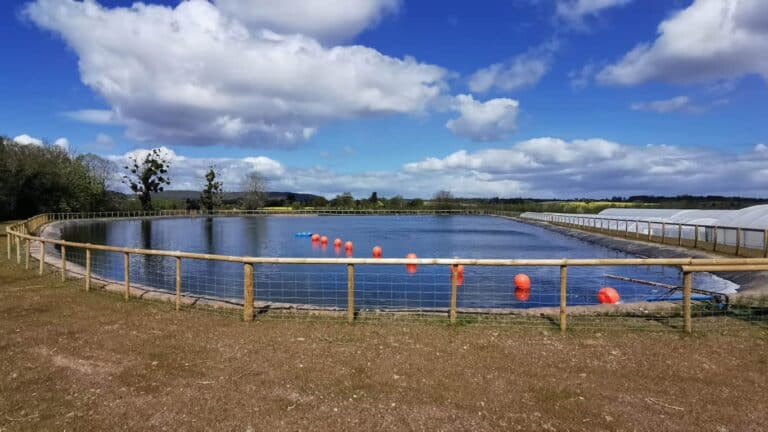
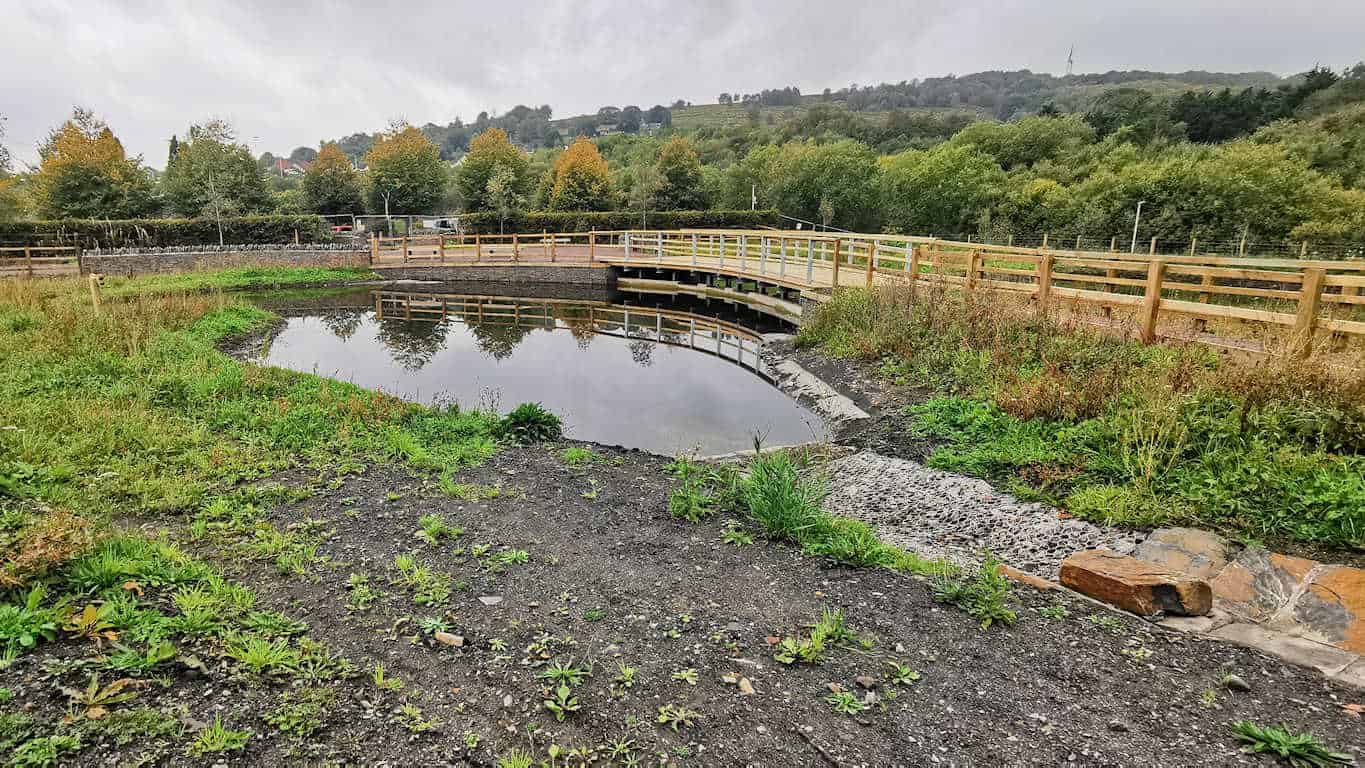
This article explores how large-scale wildlife ponds and wetlands are designed and constructed, the role of lining systems in long-term success, and how EPDM liners are used on real-world projects such as the TAF Bargoed Wetlands installation delivered by Turtle Productions.
Understanding Wildlife Ponds and Wetlands
Wildlife ponds and wetlands differ significantly from domestic garden ponds. Their purpose is ecological rather than decorative, and their design reflects this.
A well-designed wildlife pond or wetland will typically include:
- Variable depths to support different plant species
- Shallow shelves for marginal planting
- Deeper zones for temperature stability and aquatic refuge
- Gently sloping banks to allow safe access for wildlife
- Stable water retention to support seasonal ecological cycles
In many cases, these projects are commissioned by councils, environmental trusts, developers, or landowners working towards conservation, flood control, or biodiversity targets. Failure is not simply inconvenient – it can undermine habitat creation, damage surrounding land, and lead to costly remediation.
Why Lining Systems Are Critical in Wildlife Pond Construction

In natural soils, reliable water retention cannot be assumed. Ground conditions vary widely across the UK, and even clay-heavy sites are prone to cracking, drying, and leakage over time, especially as climate change provides prolonged wet spells and heat waves.
A lining system provides:
- Consistent water retention
- Protection against ground movement
- Resistance to root penetration
- Long-term stability without repeated maintenance
For wildlife ponds and wetlands, liner failure is particularly disruptive. Draining a pond to replace a liner destroys established planting, disrupts aquatic life, and often requires extensive reinstatement works.
This is why liner specification is a critical decision at the design stage rather than an area to reduce costs.
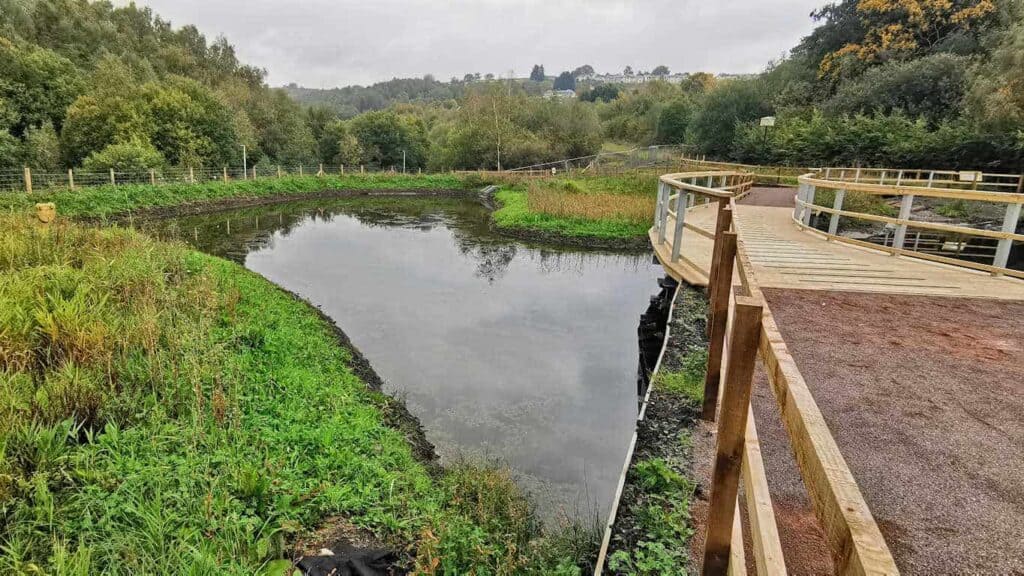
Case Study – TAF Bargoed Wetlands EPDM Liner Installation

The TAF Bargoed Wetlands project is a strong example of how EPDM liners are used within a large-scale ecological setting.
The wetland forms part of a wider environmental scheme designed to support wildlife habitats, manage water levels naturally, and provide long-term ecological value. The site required a lining system capable of accommodating irregular ground profiles, planting zones, and long-term exposure to water, sunlight, and vegetation growth.
Project considerations included:
- Complex contours and varied depths
- Long liner runs with minimal joints
- Sensitivity to surrounding habitats
- Long-term durability requirements
- Minimal future maintenance or intervention
EPDM was selected due to its flexibility, proven lifespan of over 60 years, and suitability for ecological applications.
Turtle Productions managed the liner installation with careful attention to ground preparation, liner placement, detailing around edges and transitions, and protection layers where required. The result is a wetland capable of functioning as intended for decades rather than years.
Why EPDM Liners Are Well-Suited to Wildlife Ponds and Wetlands
EPDM has become the preferred liner choice for many commercial and environmental pond projects, and for good reason.
Flexibility and Ground Movement
Wildlife ponds rarely have uniform shapes. EPDM remains flexible even in colder conditions, allowing it to conform to shelves, slopes, and complex profiles without stress points.
Long Service Life
EPDM liners are commonly specified with a design life of over 60 years or more when installed correctly. This reduces the risk of future disturbance to established habitats.
Root and Puncture Resistance
Wetland planting often includes aggressive root systems. EPDM offers strong resistance to root penetration compared with thinner, rigid membranes.
UV and Weather Stability
Exposure to sunlight, fluctuating water levels, and seasonal temperature changes can degrade inferior liners. EPDM is highly UV-stable and remains reliable in UK conditions.
Wildlife Safety
EPDM is inert and does not leach harmful substances into the water, making it suitable for aquatic life, amphibians, birds, and invertebrates.
Design Considerations for Long-Term Ecological Success
Liner choice alone does not guarantee success. Wildlife ponds and wetlands must be designed holistically.
Key considerations include:
- Correct sub-base preparation to avoid sharp objects or settlement
- Protection layers beneath and above the liner where required
- Allowance for planting media and sediment build-up
- Stable edge detailing to prevent slippage or exposure
- Overflow and water management planning
On commercial and environmental projects, early involvement from experienced specialists ensures these elements are addressed before construction begins.
Reducing Maintenance and Environmental Disturbance
One of the most overlooked benefits of EPDM-lined wildlife ponds is reduced long-term maintenance.
Cheaper lining systems often require patch repairs, partial draining, or full replacement within relatively short timescales. Each intervention disrupts the ecosystem and increases lifetime project costs.
By contrast, EPDM allows wildlife ponds to mature naturally with minimal human interference. This supports stronger biodiversity outcomes and aligns with conservation objectives.
Wildlife Ponds, Biodiversity Net Gain and Planning Requirements
With biodiversity net gain now embedded into UK planning frameworks, well-constructed wildlife ponds and wetlands are increasingly specified as part of development mitigation strategies.
Local authorities and environmental bodies expect:
- Long-term durability
- Predictable performance
- Minimal risk of failure
- Clear maintenance strategies
EPDM-lined ponds meet these expectations and provide reassurance to stakeholders responsible for long-term stewardship.
Frequently Asked Questions
How long do wildlife pond liners last?
High-quality EPDM liners are designed to last over 60 years or more when installed correctly.
Are EPDM liners safe for wildlife?
Yes. EPDM is inert and does not release harmful chemicals, making it suitable for ecological and aquatic environments.
Can EPDM be used for wetlands and reed beds?
EPDM is widely used in wetlands, reed beds, and attenuation ponds due to its flexibility and durability.
Do wildlife ponds need ongoing maintenance?
All ponds require some monitoring, but well-designed EPDM-lined ponds typically need far less intervention than those using cheaper membranes.
Specialist Wildlife Pond and Wetland Construction
Wildlife ponds and wetlands are long-term environmental assets. Their success depends on careful design, correct material selection, and experienced installation.
Turtle Productions specialises in wildlife pond construction, wetland lining, lake installation, and environmental water projects across England and Wales. From early-stage consultancy through to full installation, projects are delivered with a focus on longevity, ecological value, and reduced lifetime cost.
Want expert advice on your next project?
Call 01453 297 050 to speak with our team, or contact us to arrange a consultation.