A natural wildlife pond can transform a garden or rural landscape into a haven for biodiversity. These ponds not only improve drainage and attract frogs, dragonflies, and birds, but they also support long-term environmental health. For homeowners or landowners thinking about creating one, the main question often revolves around cost. So, how much does it cost to build a wildlife pond in the UK?
In this guide, we’ll explore the factors that influence pricing, from excavation and materials to planting and professional installation, with insights based on real-world projects across the UK.
What Affects the Cost of a Wildlife Pond?
Size and Shape of the Pond
One of the most significant cost drivers is size. A compact 3x2m pond for a garden will be far more affordable than a 10m or larger pond designed for an estate or rewilding project. Larger ponds require more labour, liner material, and habitat features. Complex shapes or multi-level designs with planting shelves also increase the time and expertise needed.
Ground Conditions and Accessibility
Soil type and access to the site play a big role in labour and machinery costs. Sandy or loamy soils are easier to excavate than clay or rubble-filled ground. Restricted access that limits the use of machinery can also lead to higher manual labour costs and longer project timelines.
Choice of Pond Liner and Edging
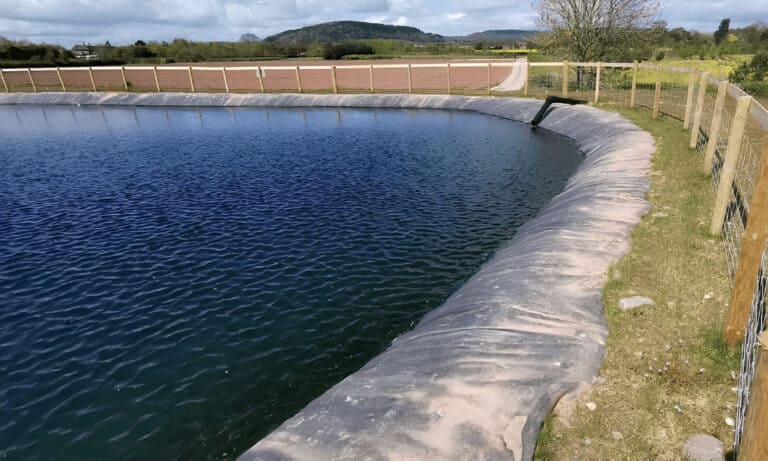
The liner is essential for a healthy pond. EPDM rubber liners are the preferred choice due to their flexibility, longevity, and safety for wildlife. While more expensive than PVC or rigid liners, EPDM provides greater reliability. Naturalistic edging with gravel, boulders, or logs adds to the overall cost but enhances the pond’s ecological value and visual appeal.
Planting and Habitat Features
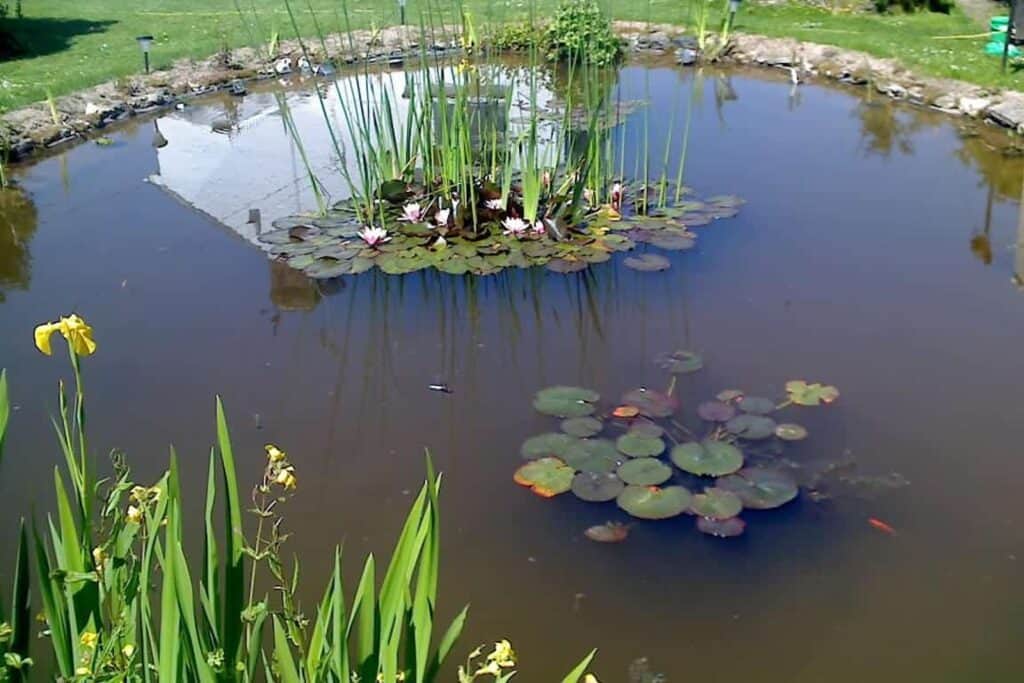
A true wildlife pond requires thoughtful planting and design features. These might include sloped edges for amphibian access, planting shelves, native aquatic plants, deadwood for invertebrates, and marginal zones. While they raise initial costs, these additions are critical for long-term biodiversity and visual interest.
Professional vs DIY Installation
Some smaller wildlife ponds can be tackled as DIY projects. However, professional installation is recommended for medium to large ponds or when ecological impact is a priority. Professionals bring experience in drainage planning, depth grading, edge treatment, and planting strategy, which helps avoid costly mistakes.

Average Wildlife Pond Costs in the UK
Costs can vary widely depending on project scope and location, but based on Turtle Productions’ work across the UK, the following ranges are typical:
Small ponds (2–3m): £1,500 to £3,500
Medium ponds (4–6m): £4,000 to £7,500
Large ponds (7m+): £8,000 to £15,000 or more
These figures include consultation, excavation, EPDM liner installation, planting, and naturalistic edge finishing.
What’s Included in a Professional Wildlife Pond Build?
At Turtle Productions, each wildlife pond installation includes:
A site visit and consultation to assess soil conditions, sunlight exposure, and drainage patterns. Excavation tailored to the pond’s design and depth requirements, with spoil removed or reused as needed. Installation of a high-quality EPDM liner with protective underlay. Construction of marginal planting shelves and gently sloped edges for wildlife. Naturalistic edge treatment using gravel, logs, or local stone. Planting with native species to support biodiversity. Optional extras may include wildlife ramps, small boardwalks, or habitat islands.
This comprehensive approach ensures that the pond functions as a low-maintenance, ecologically rich feature for years to come.
FAQs: Wildlife Pond Cost and Practical Planning
How much does a wildlife pond cost for a small garden?
For gardens with enough space, a simple wildlife pond typically costs between £1,500 and £2,500. This includes excavation, liner, and planting. Costs are lower if access is straightforward and the soil is easy to work with.
Is planning permission needed to build a wildlife pond in the UK?
Planning permission is usually not required unless the site is in a conservation area, flood zone, or on protected land. It’s always wise to check with the local planning authority to be certain.
What liner is best for a wildlife pond?
EPDM rubber liners are widely regarded as the best option due to their durability, flexibility, and wildlife-safe composition. They outperform PVC and rigid liners in both lifespan and environmental suitability.
How long does it take to build a pond?
A small pond can be installed in 2–3 days. Larger or more complex projects, especially those involving features like bridges or extensive planting, may take 1–2 weeks.
Can I build a natural pond on a budget?
Yes. With thoughtful design and simplified features, it’s possible to create a functional and beautiful wildlife pond for under £2,000, especially if you’re handling part of the work yourself.

Conclusion
Natural wildlife ponds offer more than aesthetic appeal—they contribute to local ecosystems, encourage native species, and create relaxing outdoor spaces. The cost of building one varies depending on size, ground conditions, materials, and installation method.
Whether you’re adding a compact wildlife pond to a garden or planning a larger ecological feature on rural land, working with professionals like Turtle Productions helps maximise long-term value and biodiversity.
To learn more, visit our Garden Pond Services, Pond Servicing, or Liner Repair pages, or contact us for expert advice.
For further guidance, check out Wildlife Trust Gardening and Freshwater Habitats Trust.
Want expert advice on your next project? Contact Turtle Productions today.